


Celebrating Bislama Week with Richard George

Updated: Aug 3
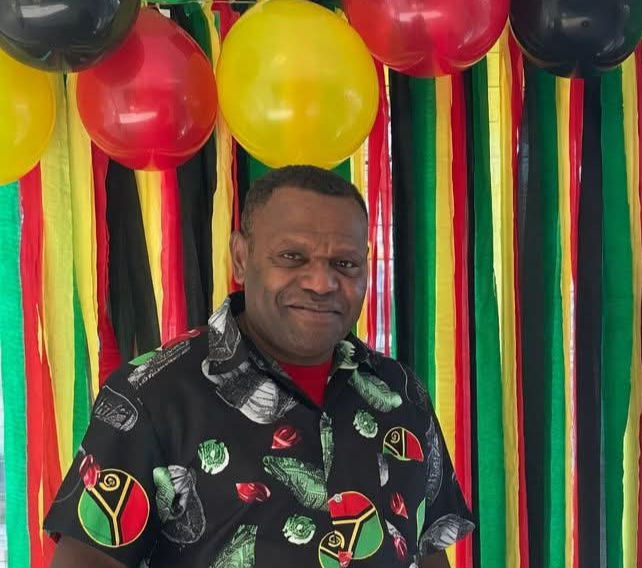
To celebrate Aotearoa Bislama Language Week 2026, Valorie Patrick (host of Yumi Talem radio show on Fresh FM) interviewed Chief Richard (Richie) George, Chairman of the Vanuatu Canterbury Association. Richie shared his inspiring journey from Vanuatu to Aotearoa New Zealand, the growth of the Ni-Vanuatu community in Canterbury, and his vision for preserving the Bislama language for future generations.
From Aore Island to Aotearoa
Richie was born on Aore Island, Santo, although his family originally comes from Tanna. His father was a missionary, and like many families at the time, they faced financial hardship.
"My parents couldn't afford to pay the school fees for me and two of my siblings," Richie recalled. "I made the difficult decision to leave school."
In 1996, Richie sailed to New Zealand aboard a yacht. The journey was long, stopping at ports along the way before finally arriving at Lyttelton Harbour in Christchurch. He made Christchurch his home and has lived there ever since.
The Early Days of the Ni-Vanuatu Community
When Richie first arrived, there were very few Ni-Vanuatu living in Canterbury.
"The first person from Vanuatu I met was Tari Vira from Ambae," he said. "At first, I thought he was from Africa. But when I spoke to him and he replied in Bislama, I immediately felt like I had found family."
Today, Canterbury is home to around six permanent Ni-Vanuatu families who continue to support one another as a close-knit community.
Richie explained that the community became even stronger after embracing Bislama Language Week. Having a shared purpose around language and culture enabled the association to apply for funding and organise activities that benefit families across Canterbury.
Why Bislama Language Week Matters
For Richie, Bislama Language Week is about more than celebrating a language—it is about protecting identity.
"It is especially important for children whose mum or dad is not from Vanuatu," he explained. "Growing up between two cultures can be difficult. Bislama Language Week helps our children understand where they come from, connect with their culture, and learn to speak Bislama with pride."
He believes that preserving Bislama today will help future generations remain connected to their heritage, wherever they live.
The Story Behind Vanuatu Garen
One of Canterbury's most meaningful community projects is Vanuatu Garen, a reserve that symbolises the friendship between the Ni-Vanuatu community and Christchurch.
The idea began during the official launch of Bislama Language Week 2025, when the Christchurch City Council presented the Vanuatu Canterbury Association with a special tree.
Rather than simply accepting the gift, Richie suggested planting it in a public reserve where it could serve as a lasting reminder of the growing Bislama language and the friendship between the two communities.
The Council embraced the idea and provided a reserve for the planting.
The event brought together representatives from the Vanuatu Government, the Ministry for Pacific Peoples, the Christchurch City Council, the Lord Mayor, councillors, local farmers, and members of the community.
Several hundred trees were planted around the gifted Vanuatu tree, symbolising the protection and support surrounding the Ni-Vanuatu community. The tree planting also reflected the theme of climate change, reminding everyone of the importance of caring for both language and the environment.
Today, the reserve proudly carries the name Vanuatu Garen (garen means garden in Bislama).
Read more about the tree planting here
A Vision for the Future
Although Vanuatu Garen is still developing, Richie has an ambitious vision for its future.
He hopes the park will become a place that truly reflects the spirit of Vanuatu by including:
• More native tree planting during future Bislama Language Weeks.
• A traditional Nakamal for community gatherings.
• A tamtam as a symbol of Vanuatu's rich cultural heritage.
• Kava plantings.
• Raised community gardens where Pacific families can grow vegetables together.
• A guest house that could accommodate visiting Vanuatu Government officials travelling to Christchurch.
His dream is for Vanuatu Garen to become a place of culture, learning, connection, and belonging for generations to come.
Staying Connected
Anyone wishing to connect with the Ni-Vanuatu community in Canterbury can do so through the Vanuatu Canterbury Association Facebook page, where community news, events, and activities are regularly shared.
Acknowledgements
Richie took time to acknowledge the many people who have helped grow the Bislama movement in New Zealand.
He paid special tribute to Leina Isno, whom he described as one of the driving forces behind the campaign to establish Bislama Language Week. He also recognised Joseph
Toara for stepping forward to support Leina and continue the leadership of the movement.
Richie thanked all the regional Bislama coordinators throughout New Zealand for their dedication and hard work. He also expressed his gratitude to the Christchurch Mayor, the Ministry for Pacific Peoples, the Christchurch City Council, and finally the New Zealand Government for recognising and supporting Bislama so that future generations of Ni-Vanuatu children can continue learning and celebrating their language.
Keeping Our Language Alive
Richie's story is one of perseverance, community, and vision. From arriving in New Zealand with very little, to helping establish a lasting symbol of Vanuatu in Christchurch, his commitment demonstrates how language can unite people across generations.
As Bislama Language Week continues to grow, so too does the hope that every Ni-Vanuatu child born in New Zealand will have the opportunity to speak Bislama, understand their heritage, and proudly carry their culture into the future.
[Postscript - tragically one week after this interview was conducted, Richie died in an accident. Richie's wife (Taralee George) has kindly given permission for the interview to be aired on Fresh FM (click here to listen) and for this blog to be published]


Comments